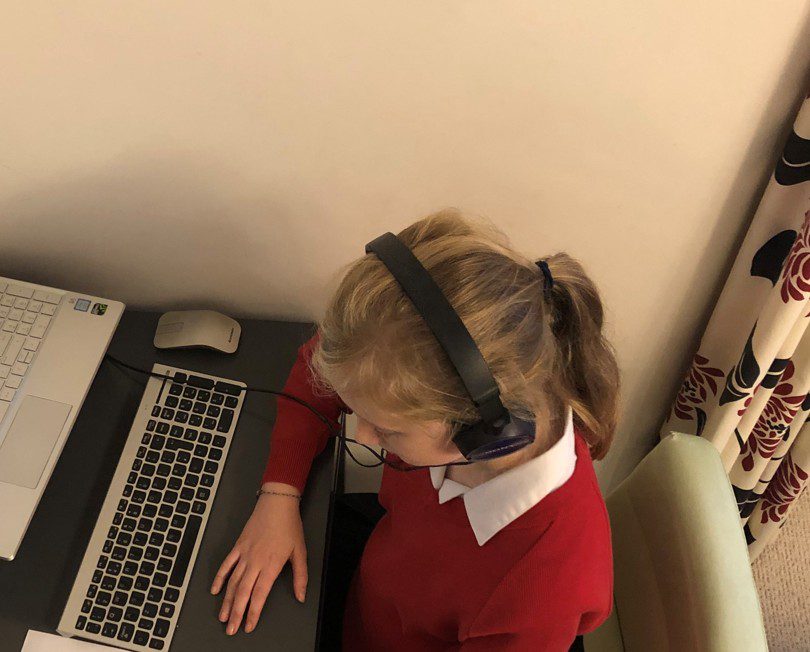
At XUK Camps, our English lessons online are tailored to help young learners and international students master the nuances of English conversation. One question we’re often asked is, “What are the main differences between British English and American English?”
In this special blog series, we’ll be diving into some of the most noticeable differences between these two variants of the English language. From pronunciation to vocabulary, we aim to give you the tools to become confident and fluent in English – whether you're preparing for travel, study or just want to improve your communication skills.

Understanding the Differences
1. Regional Variation
The terms “British English” and “American English” are useful for general comparisons, but there’s a great deal of variation within each. For example, someone from Liverpool might use different phrases and have a distinct accent compared to someone from Brighton. Similarly, an English speaker from Boston may sound quite different from someone in Los Angeles. Language also evolves – if you listen to English speakers from a few decades ago, the differences in tone, pronunciation, and word choice are often striking.2. Cultural Influence
American media has a powerful global presence, and British English has absorbed many phrases from it. This includes everything from slang to the way certain expressions are delivered. These influences are strongest among young people but they’re slowly being adopted more widely.Popular Greetings: British vs American English
Let’s explore how greetings vary across the Atlantic. Here are a few commonly used ways to say hello – some distinctly American, others uniquely British, and a few that overlap.Greetings Typically Used in American English
- Sup? – A clipped version of “What’s up?”, often used among friends or peers in the US. It’s rare in British English.
- Yo! – A casual American greeting with roots in urban culture.
- How’s it going? – A friendly, everyday greeting that asks about someone’s wellbeing.
Commonly Heard British English Greetings
- Alright? – A very British way of saying hello, often without expecting a detailed answer. It's equivalent to “Hi, how are you?” but much more casual.
- Cheers – Often used to mean “thank you” or as a "toast", in some British circles. It’s also used to say goodbye or even greet someone in passing.
- How do you do? – A traditional, formal greeting rarely used in the US. Still heard in more formal settings or older generations in the UK.
Greetings Shared by Both
- Hello – Timeless and universally recognised.
- Hi – Friendly, casual, and used across the English-speaking world.
- Good morning / afternoon / evening – These formal greetings are standard in both British and American English.
- Hey there – Informal and friendly, with a slightly more American feel but used in the UK, especially among young people.
Want to Learn More?
Understanding these small but important distinctions helps learners develop more natural and fluent English. At XUK Camps, our english lessons online are engaging, interactive and designed to help you speak with confidence – whether you're in London, New York or anywhere else in the world. We offer lessons for all levels, led by experienced teachers who make learning enjoyable and effective. Whether you're focusing on vocabulary, pronunciation or cultural differences, we've got a course for you.Related Articles